
The kanagjegji is the women’s night – and for many brides the most emotional evening of the whole wedding. Women and girls of the family, friends and neighbours gather at the bride’s home to sing for her one more time before she moves to her new home. As always: every region and every family celebrates a little differently.
When and where?
Traditionally the kanagjegji takes place on the evening before the wedding day at the bride’s parents’ home. Today many families also celebrate one or two days earlier or in a hall – especially with many guests or when the wedding takes place in the diaspora.
The henna
The key moment is applying the henna (kana). A woman of the family – often a respected, happily married woman – colours the bride’s palm or fingers. The henna stands for luck, blessing and farewell to the parental home. In some families a coin is placed in the henna, and the leftover henna is shared among unmarried girls for good luck.
Songs with the def
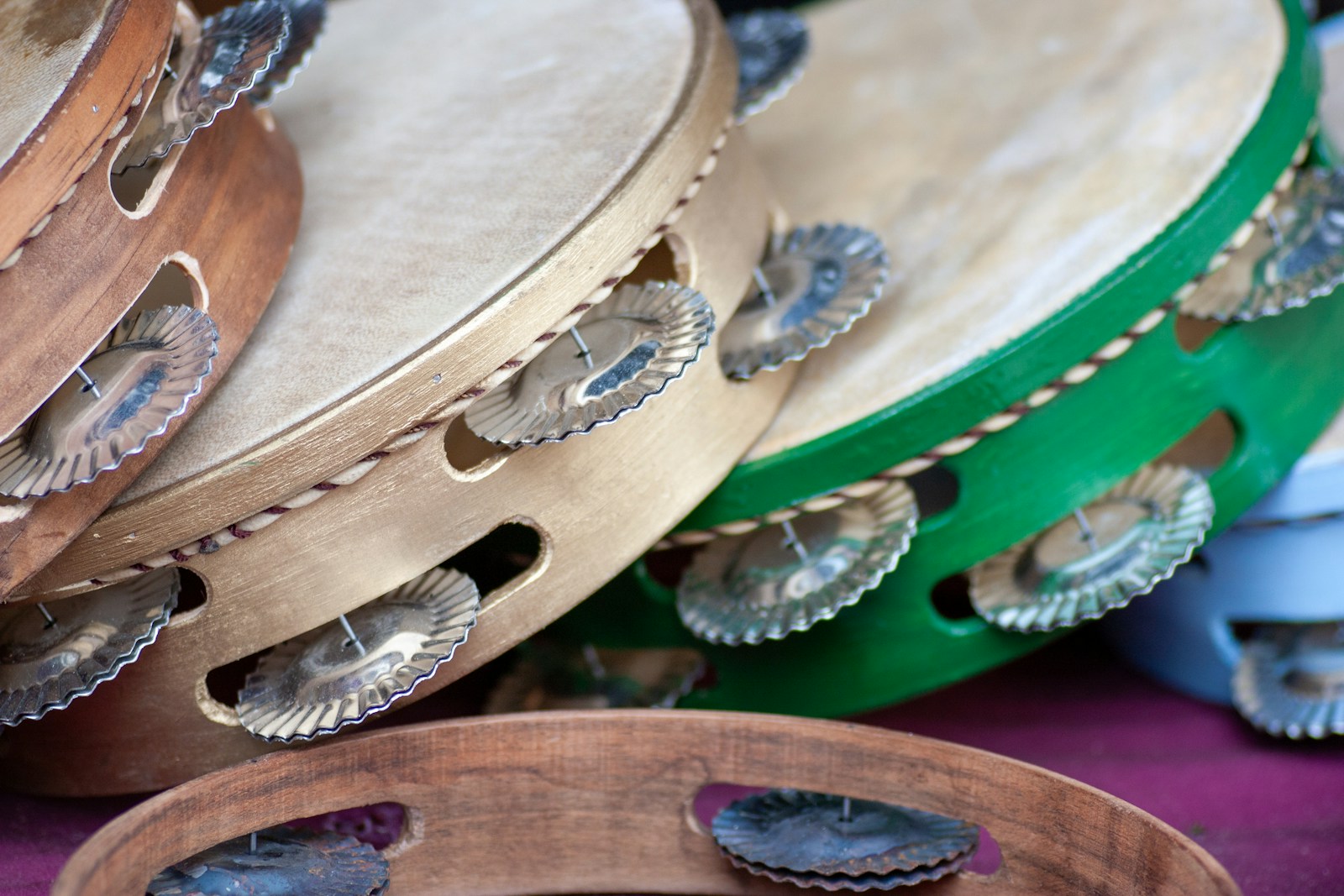
No kanagjegji without songs. The women sing old songs for the bride, accompanied by the def, a frame drum – often warm, sometimes tear-jerking. Today many families book a women’s group with def or a singer; after the traditional songs the party continues with modern music and the vallja.
The bride’s outfit
At the kanagjegji the bride often wears the traditional dress of her region – with a gold-embroidered vest (jelek), baggy trousers (dimi) or a red dress. Many brides now change into two or three outfits during the night. Old family costumes are carefully kept; those who don’t have one can rent it.
Decor and table
Red and gold dominate: a special seat for the bride, candles, flowers and a table with sweets and drinks. Many decorators offer complete kanagjegji packages – also for the home.
Kanagjegji checklist
- Date and place: at home or in a hall? How many women will be invited?
- Henna: who applies it, and how – traditional or with a pattern?
- Music: women’s group with def, a singer or a DJ – book early in wedding season.
- Outfits: family costume, bought or rented.
- Decor: the bride’s seat, colours, flowers.
- Sweets and cake for the guests.
- Photo or video: the kanagjegji gives some of the most beautiful pictures.
Vendors for your kanagjegji: Decor · Photographers · Cakes & sweets · Venues by city
Are you a women’s def group, a singer, a DJ or do you rent traditional dress? List your business for free – couples are looking for you.
How do you celebrate the kanagjegji? Which songs are sung in your family or village? Write to us via our contact page.
Photo: Javier Balseiro / Unsplash

