For many Albanian families, the engagement – the fejesa – is almost as important as the wedding itself. With it, two families give each other their word, and the road to the wedding officially begins. Here are the main steps – plus a checklist for couples in Kosovo and the diaspora. Every region and every family has its own customs, so take this as a guide, not a fixed rule.
1. Asking for her hand and giving the word
In the past, a matchmaker, the shkues, brought the two families together. Today couples usually meet on their own – but many families still keep the formal visit: the groom’s father, uncles or older men of the family visit the bride’s family to ask for her hand. Coffee and sweets are served. When the bride’s family agrees, the word is given (“me dhënë fjalën”) – a promise taken very seriously.
2. The shenja – the first gift for the bride
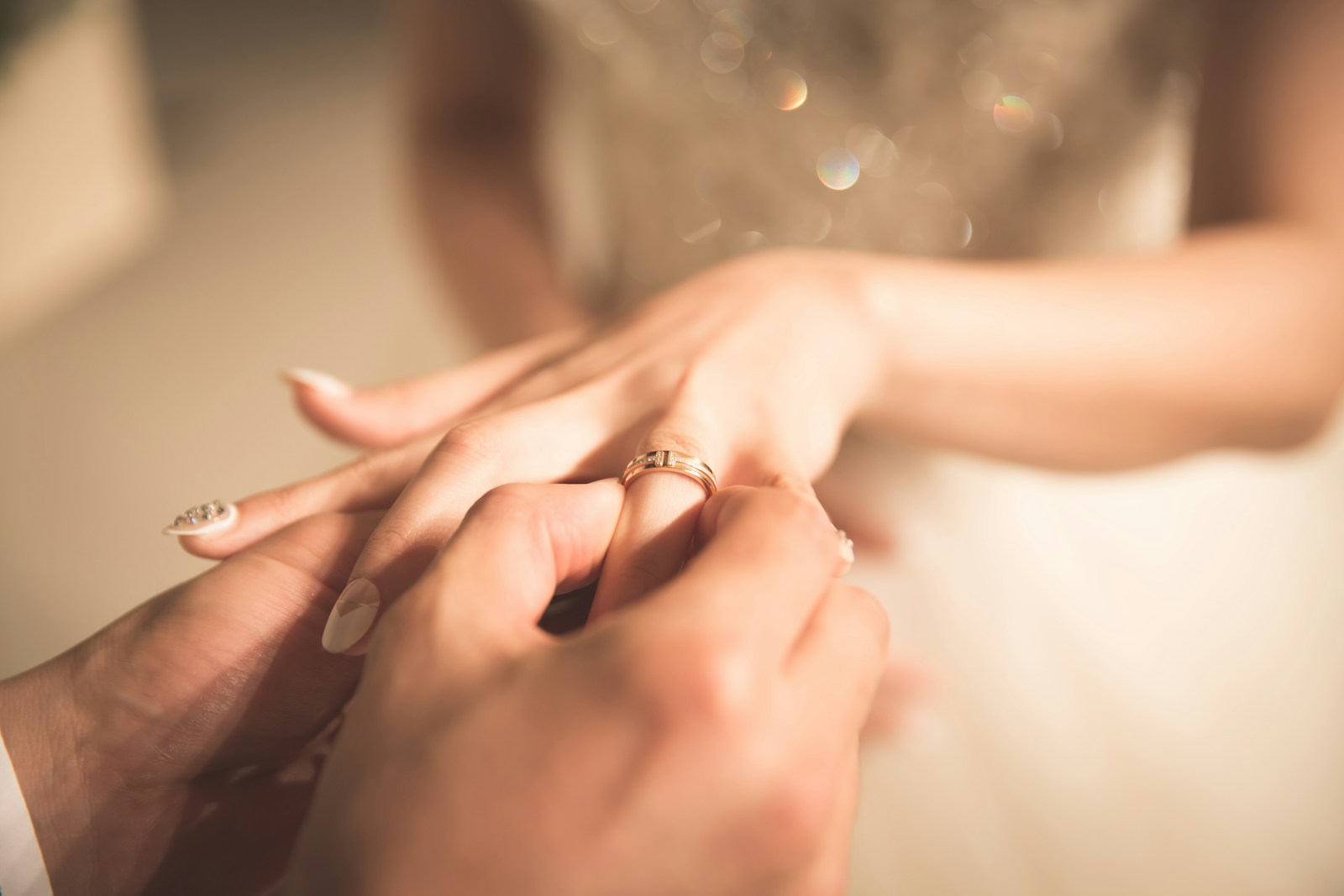
The groom’s family brings the bride-to-be the shenja, the sign of the engagement. In many families this is gold: the ring, a necklace or a full gold set, often with clothes, perfume and sweets. The ring is often placed on the bride’s finger by a woman from the groom’s family, such as his godmother or sister. The bride’s family usually returns the gesture with gifts of its own.
3. The engagement party
The fejesa used to be celebrated at home. Today many families celebrate at a restaurant – some with close family only, others with hundreds of guests, almost like a small wedding. Music, the vallja (circle dance) and the moment the couple exchange rings in front of both families are part of it.
4. From engagement to wedding
After the fejesa the families visit each other more often, especially on holidays such as Bajram, Christmas or New Year, and the fiancée often receives gifts. Planning starts now too: wedding date, venue, trousseau and guest list. For many couples, a few months to a year pass between engagement and wedding.
Every region celebrates differently
In Dukagjin, Drenica, Prizren or Llap – customs differ, and so do they between Muslim and Catholic families. We will dedicate separate articles to these differences in the coming weeks.
Checklist for your fejesa
- Date: set it together with both families. From the diaspora: plan it for the summer or winter holidays.
- Guest list: how many people from each family?
- Venue: at home or at a restaurant? Good restaurants book up early.
- Gold and rings: set a budget and order 4–6 weeks ahead, especially with engraving.
- The bride’s look: engagement dress, hair and make-up.
- Photographer: the fejesa is a memory that lasts.
- Cake and sweets for the guests.
- Invitations: printed or digital for a large party.
Vendors for your engagement: Restaurants and venues by city · Photographers · Cakes & sweets · Decor · Invitations
Do you run a gold or jewellery shop? Show your rings and sets in the Darsma Kosovë showcase – right where couples are looking.
How is the fejesa celebrated in your family? Share your family’s or region’s customs via our contact page – we’ll include the best ones in upcoming articles.
Photo: Jeongim Kwon / Unsplash

